
— Updated Aug 16, 2026: Same garden wisdom, fresh new voice! —
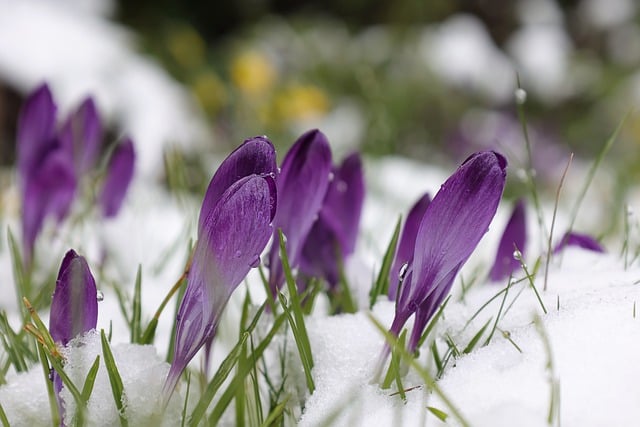
Winter in Manitoba can feel like a never-ending ice age!
By the middle of winter, I’ve usually had enough of the freezing temperatures, icy sidewalks, snow shovelling and layers of winter clothing. I’m more than ready for warmer days and another gardening season.
But while I’m inside complaining about the cold, something interesting is happening outside.
Winter is actually doing some important work in the garden.
Cold temperatures, frozen soil and even all that snow can help protect plants, affect certain garden pests, and give many perennials, bulbs and seeds the cold period they need before spring arrives.
So maybe winter isn’t quite as useless as it sometimes feels.
I still don’t have to like it, though!
Cold Weather Can Help Keep Some Garden Pests in Check
One thing I’ve learned about Manitoba winters is that the cold can sometimes work in a gardener’s favour.
Long stretches of freezing weather can reduce the survival of certain garden pests, especially those that aren’t well protected from the cold.
But winter doesn’t wipe out every unwanted bug. Some insects are surprisingly good at surviving freezing temperatures by hiding in soil, plant debris or other sheltered spots.
Snow can complicate things too. While it protects our plants from extreme temperature swings, that same blanket of snow can also shelter some insects underneath it.
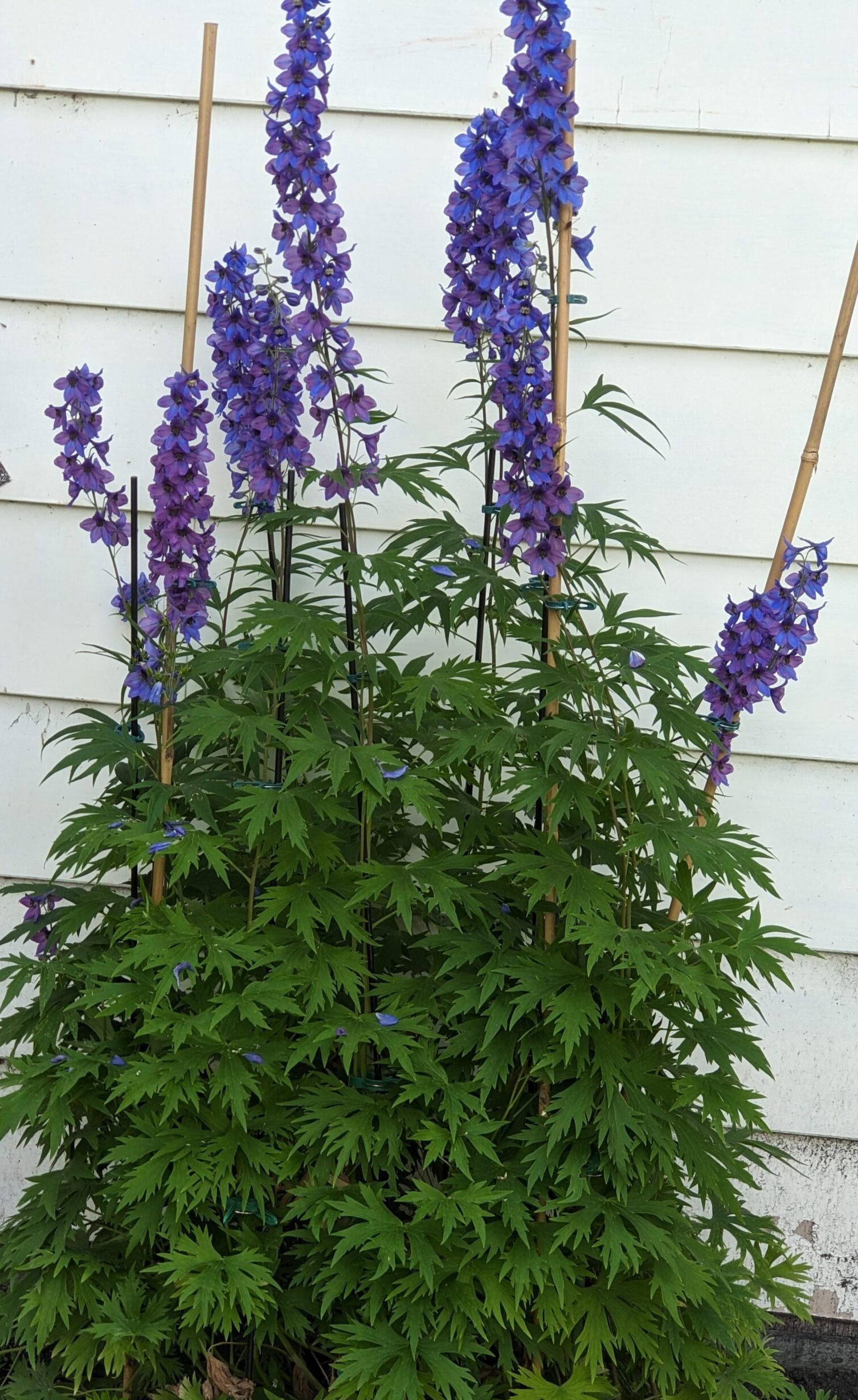
My Delphiniums Taught Me That Firsthand
A few years ago, I had a frustrating three-year battle with pests on my delphiniums. After several colder, snowier winters, the problem seemed to disappear and my plants finally bounced back.
Was winter entirely responsible? I can’t prove that.
But after watching those delphiniums struggle for several seasons, I certainly wasn’t complaining when the pests stopped showing up!
Sometimes Mother Nature lends a hand in ways we don’t expect.
Have you ever noticed fewer garden pests after a particularly cold winter?
How Winter Affects Garden Diseases
Winter may slow down some garden diseases, but unfortunately, it doesn’t wipe the slate clean.
Some fungi and bacteria don’t survive our cold winters particularly well. Others are much tougher. They can spend the winter hiding in infected leaves, stems, roots, garden debris or even the soil, waiting for the right conditions to return.
And here’s the kicker: cold weather can actually favour certain diseases. Snow mold, for example, can develop under snow when conditions near the ground are cool and wet. So much for winter taking care of everything for us!
That’s one reason fall garden cleanup still matters. Removing diseased plant material can reduce places where some pathogens survive until spring. It doesn’t guarantee a disease-free garden, but it can give us a better starting point for the next growing season.
Have you ever uncovered your garden in spring expecting everything to look healthy, only to discover Mother Nature had other plans?
My Peonies Surprised Me
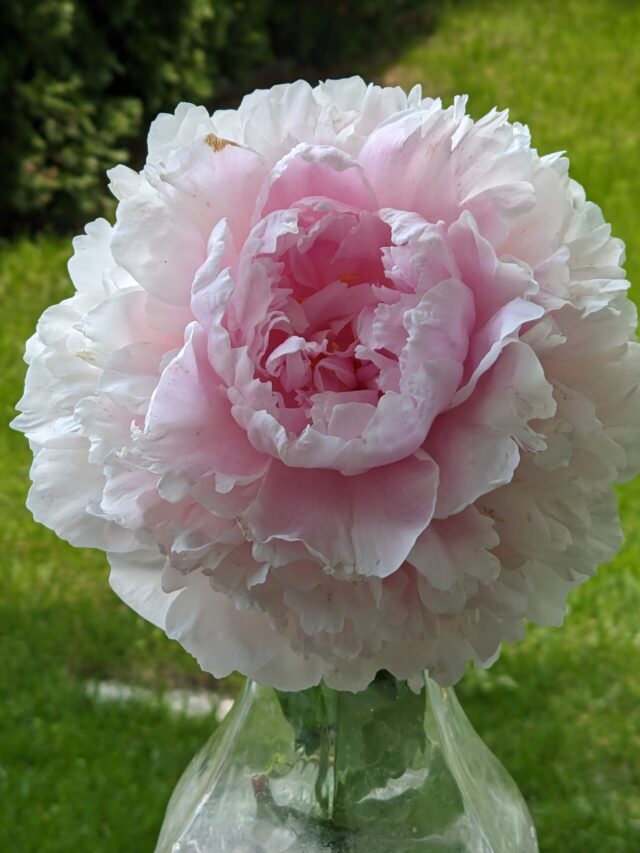
I experienced something interesting with my own peonies. After a particularly harsh winter followed by a cool, wet spring, I noticed that the leaf deformities I’d seen before had disappeared.
Even better, the plants went on to produce some of the largest, most beautiful blooms I’d ever seen!
Was the winter responsible? I honestly don’t know. Garden plants can surprise us from one season to the next, and sometimes the conditions that cause a problem one year simply aren’t the same the following year.
Whatever happened, I certainly wasn’t complaining. My peonies were happy, and so was I!
Have you ever had a plant struggle one year and then come back the next season looking better than ever?
Winter Gives the Soil a Helping Hand
While everything above ground looks frozen and quiet, the soil is going through changes of its own.
As moisture in the ground freezes and thaws, the soil expands and contracts. These freeze-thaw cycles can help break apart compacted clumps near the surface and create small spaces where air and water can move.
Of course, winter isn’t a substitute for good soil care. Compacted soil can still need compost, organic matter or a little help from the gardener once spring arrives. But Mother Nature does some of the work while we’re inside staying warm.
Snow Does More Than Make Us Shovel
As much as I complain about snow — especially when I’m shovelling the driveway — it does have its benefits in the garden.
A good layer of snow acts like insulation, helping protect the soil and plant roots underneath from sudden temperature swings. Then, as that snow slowly melts in spring, it adds moisture back into the ground.
Snow can also carry small amounts of nutrients from the atmosphere into the soil as it melts. I wouldn’t exactly call it free fertilizer, but after shovelling enough of the stuff, I’ll take whatever benefits I can get!
Has winter snow ever helped—or caused problems—in your garden?
Some Plants Really Do Need Winter
As much as I complain about our Manitoba winters, some of my plants would probably disagree with me.
Many perennials go dormant as the days get shorter and temperatures drop. Growth above ground slows or disappears completely, but the plant is still alive. Dormancy helps it conserve energy until growing conditions improve again in spring.
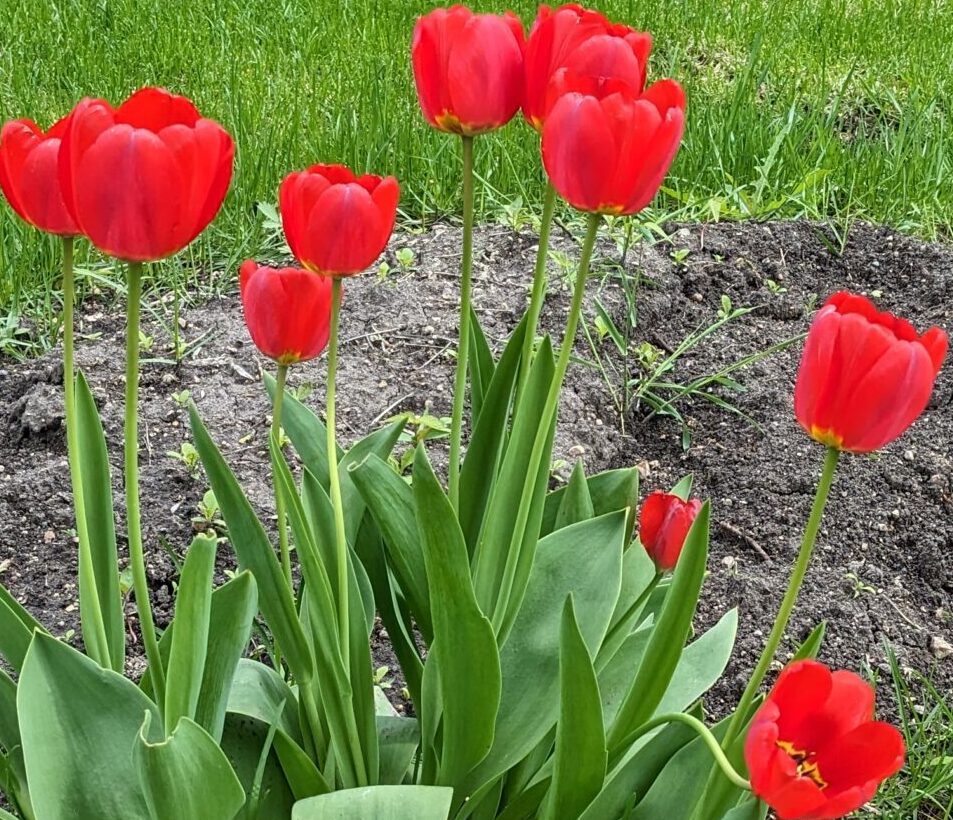
Some plants also need a certain amount of cold before they’ll flower properly. This process is called vernalization. Tulips are a familiar example. Their bulbs need a period of cold temperatures before they can put on that beautiful spring show we wait all winter to see.
Seeds can have their own winter requirements too. Some need a period of cold, moist conditions before they’ll germinate. That’s called cold stratification. In nature, winter can provide those conditions without any help from us.
So while I’m inside wishing winter would hurry up and leave, some of my plants and seeds are apparently thinking, Not yet, Barb. We’re still working out here!
I suppose I’ll have to give winter a little credit.
Do you grow any plants that seem to come back stronger after a good winter rest?

Maybe Winter Isn’t So Bad After All
I’ll probably never become one of those people who gets excited when the temperature drops and the snow starts piling up.
Give me a warm spring morning and some dirt under my fingernails any day!
But working on this post has reminded me that winter isn’t simply an annoying interruption between gardening seasons. While my garden looks quiet, plenty is happening beneath the snow and frozen ground.
Some plants are resting. Bulbs and seeds are getting the cold period they need. Snow is helping protect roots from temperature swings, and even some garden pests may have a tougher time making it through the winter.
So the next time I’m bundled up and complaining about another Manitoba cold snap, maybe I’ll try to remember that my garden is making better use of winter than I am.
Has this changed the way you think about winter in your garden? What have you noticed in your own yard after a long, cold winter?
Happy Gardening!
Take care of yourself,
Barb